from $49Most Popular — 104 Reviews Shell Island Footloose Catamaran Snorkeling Tour
- Sail aboard the Footloose catamaran
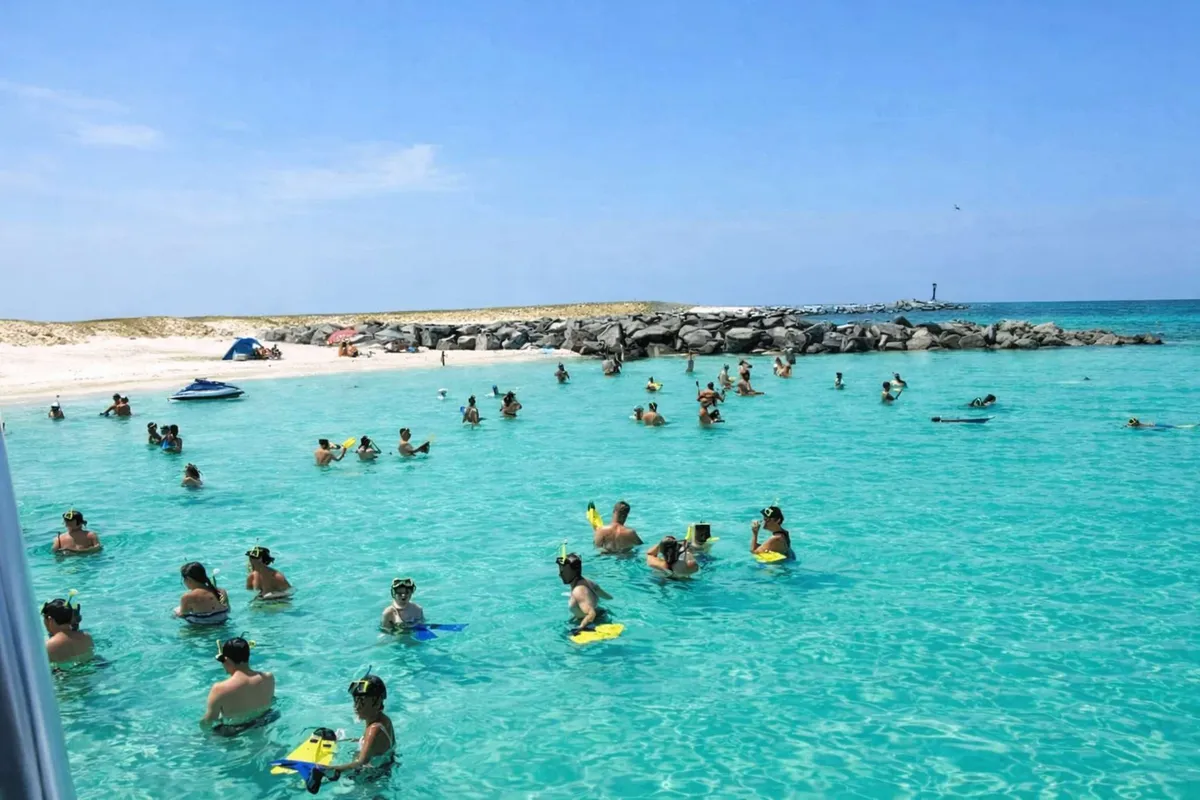
- Snorkel the clear water around Shell Island
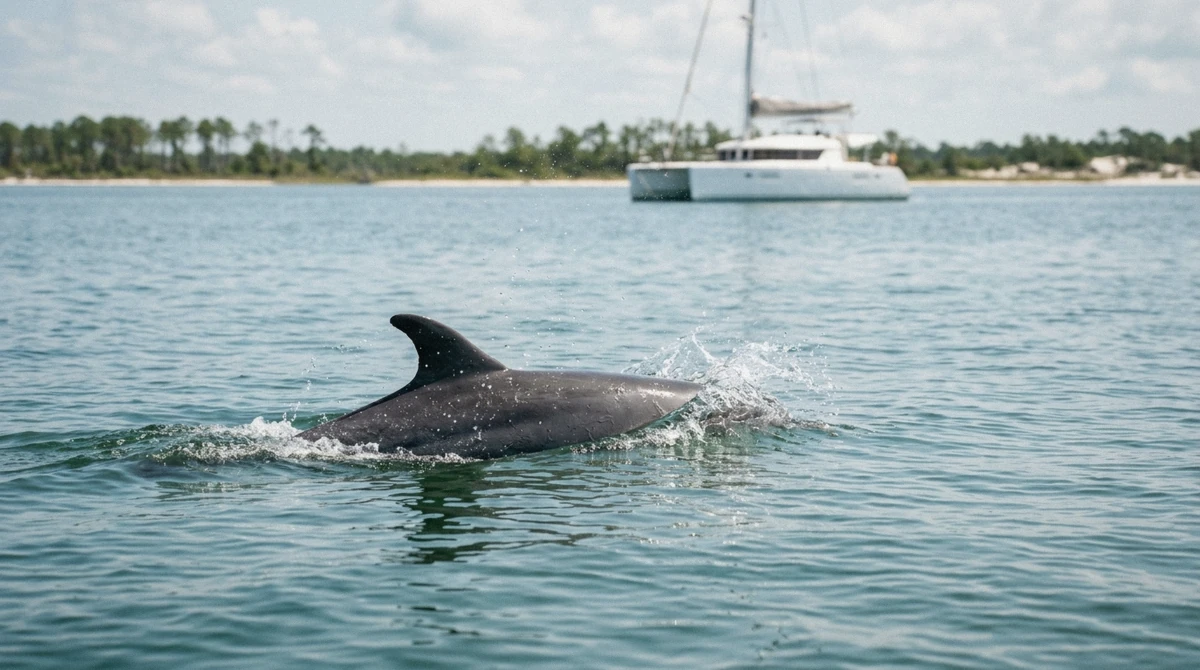
- Dolphin watching on the cruise
- Time to collect seashells on the Gulf shore
Shell Island Florida snorkeling trips sail you across St. Andrew Bay to the calm, clear flats off an undeveloped barrier island — snorkel the shallows, watch resident bottlenose dolphins and hunt for shells on a quiet Gulf shore. Compare every catamaran cruise and book instantly with free cancellation.
Most Popular — 104 Reviews, 4.7★ Most-Booked Shell Island Trip: the Footloose Catamaran
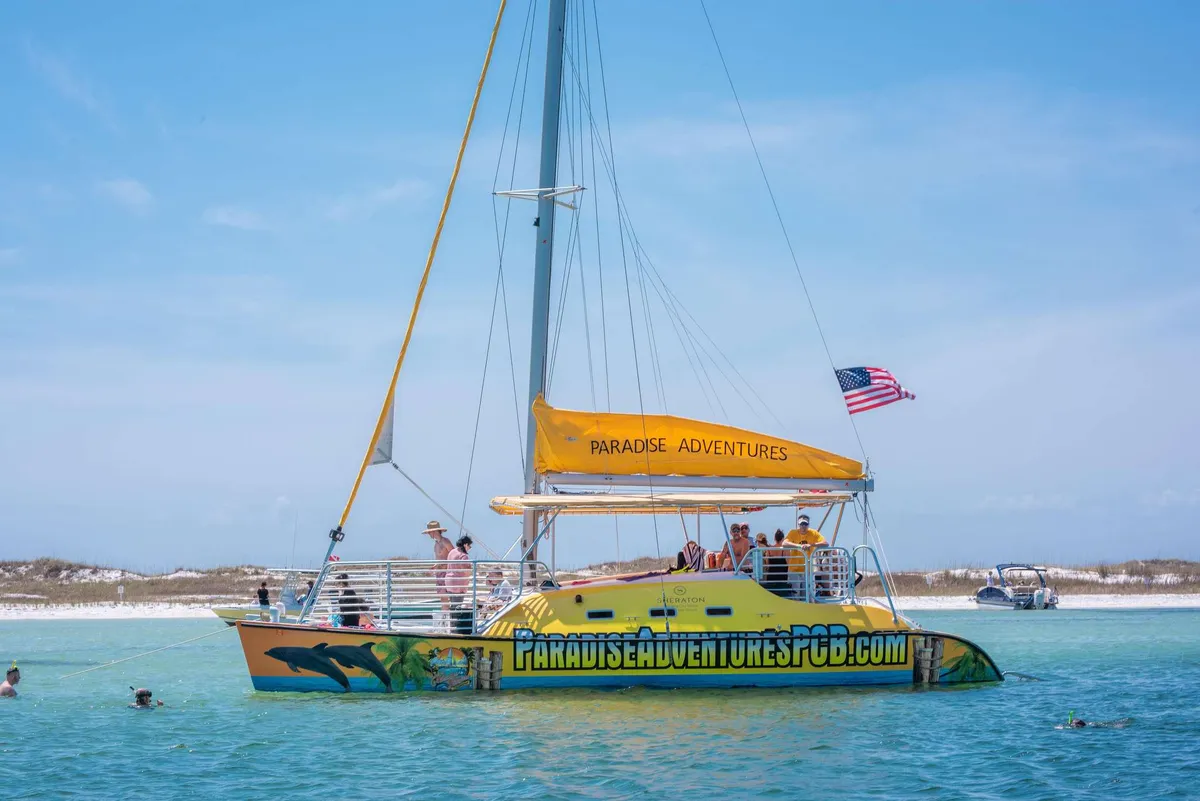
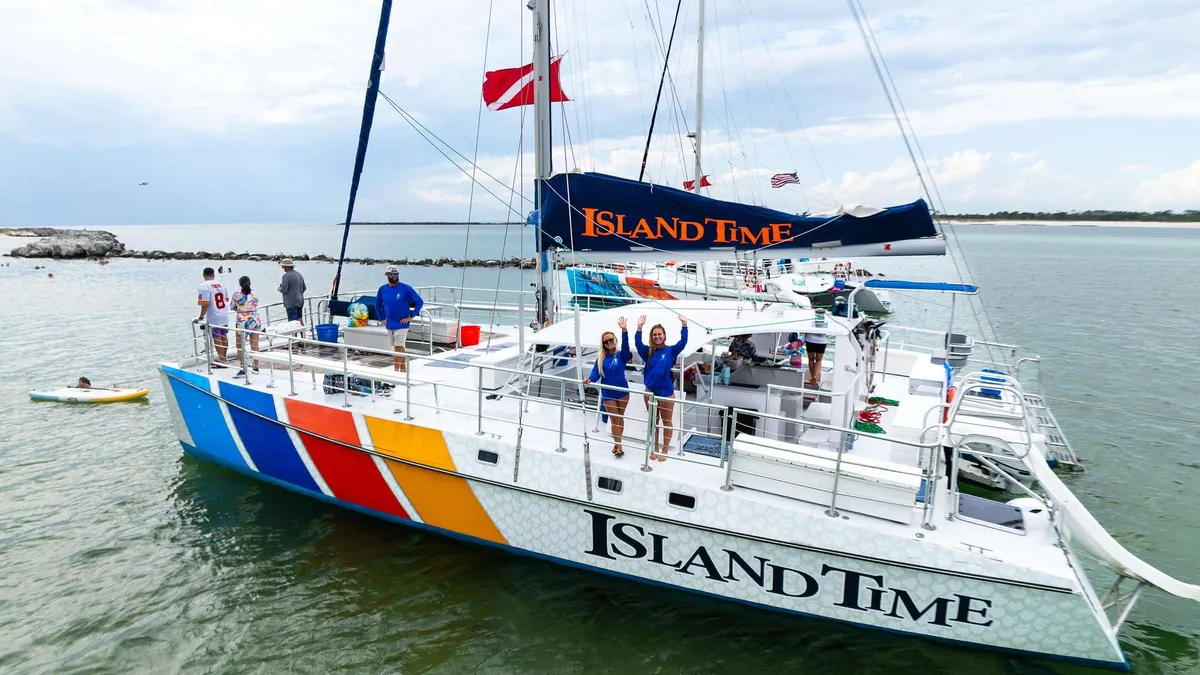
A 3-hour trip aboard the Footloose catamaran, cruising the blue-green water off Panama City Beach to snorkel around Shell Island and look for dolphins on the way. There is time to hunt for seashells on the island's quiet Gulf shore before heading back.
Pick your date to see live availability and prices for the most-booked Shell Island trip — a 3-hour Footloose catamaran cruise across St. Andrew Bay with a snorkel stop, dolphin watching and time to collect shells, gear included, with free cancellation up to 24 hours before.
From the most-reviewed catamaran cruise to a two-stop snorkel with extra beach time — here is every Shell Island snorkeling tour side by side, so you can match a trip to your budget, your group and your swimming level. All of them cross St. Andrew Bay, drop you over the calm, shallow flats and give you a chance to watch dolphins on the way.
from $49Most Popular — 104 Reviews
from $52Top Rated — 5.0★
from $57Two Snorkel Stops 
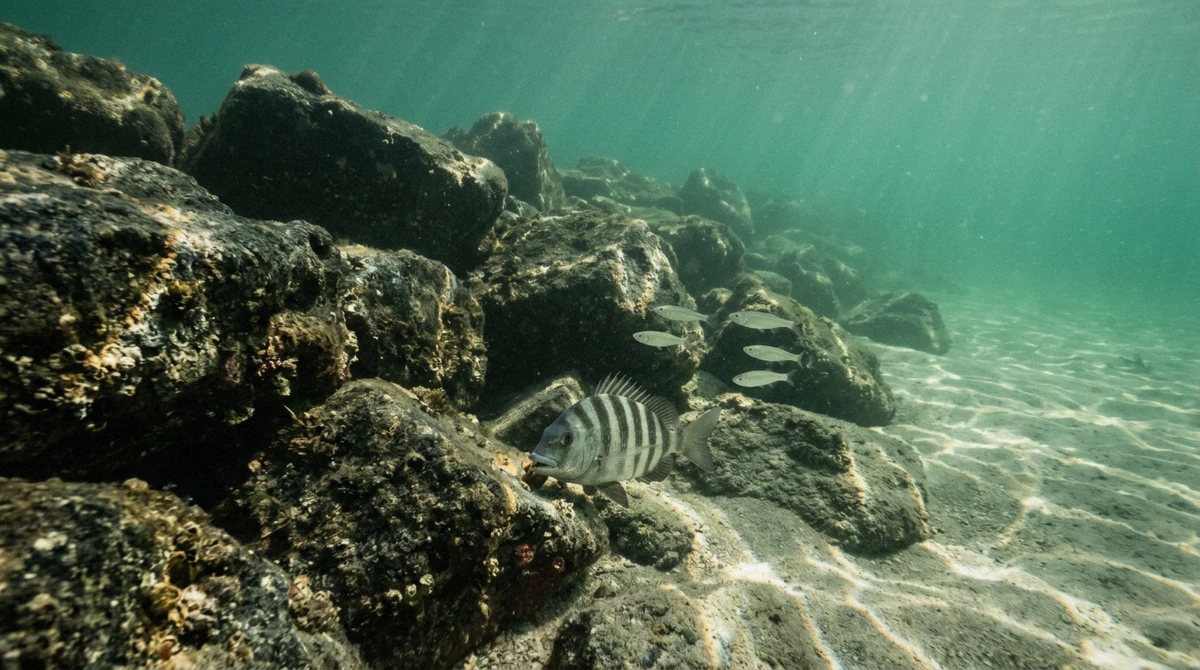
The rock jetties that guard St. Andrews Pass, at the western tip of Shell Island, hold the clearest water and the most fish anywhere in the area. Gulf water funnels through the pass on the incoming tide and pours over the granite boulders, and sheepshead, spadefish, mangrove snapper and the occasional flounder or octopus shelter in the rocks. It is a short hop from the Panama City Beach marinas, and boats anchor on the calm bay side of the jetties so you can drift the rocks in waist- to chest-deep water.
Snorkel the jetties on a rising tide in the morning, before the wind picks up — that is when visibility is best and the current is gentlest. Watch your footing on the rocks and keep clear of the pass channel where boats run.

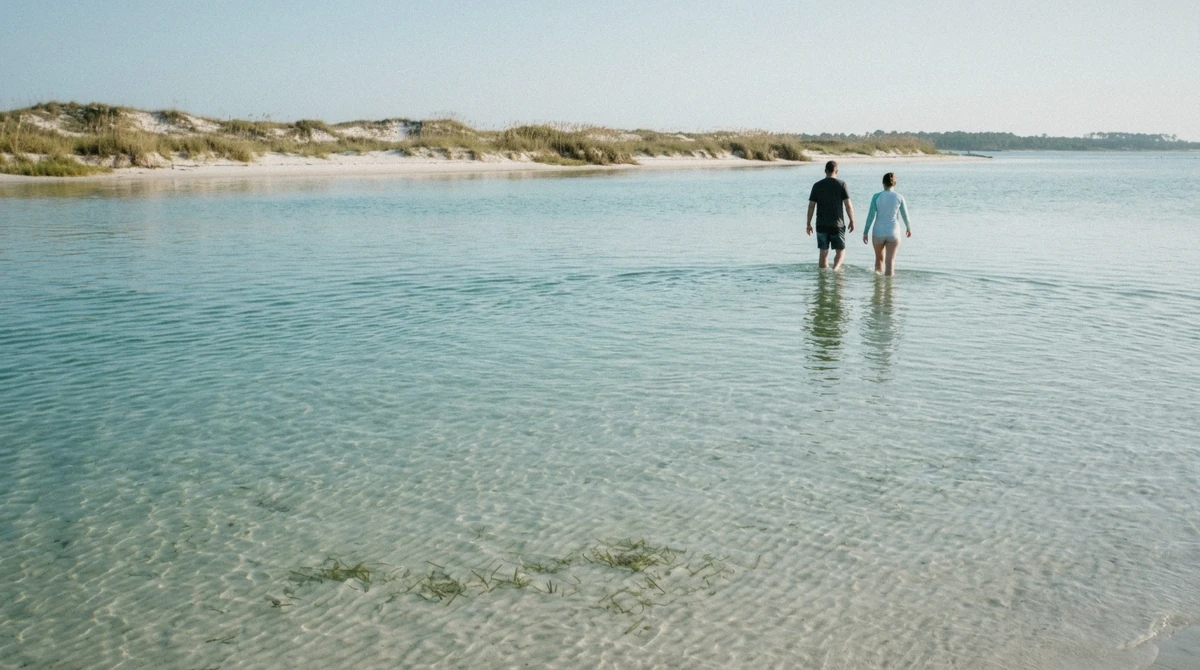
The bay side of Shell Island is a string of shallow, sheltered lagoons and grass flats where the water is calm even when the Gulf is choppy. This is the easiest snorkeling in the area and the reason Shell Island works so well for families: children and nervous swimmers can stand on the sand while stronger snorkelers cross the seagrass looking for blue crabs, hermit crabs, sand dollars, pinfish and the odd juvenile sea turtle. Most catamaran tours anchor here for the main snorkel stop because the ground is soft and the water rarely tops chest height.
The island sits between St. Andrew Bay and the open Gulf, so there is a sheltered side for calm days and a clearer, livelier side for confident swimmers. Here is how the main spots compare.
| Spot | Water | Best for |
|---|---|---|
| The Jetties (St. Andrews Pass) | Clear, mild current | Most fish, confident snorkelers |
| Bay-side lagoon & flats | Shallow, calm | Families, kids, beginners |
| Gulf shore | Clear, light surf | Sand dollars, shelling, open water |
| St. Andrew Bay crossing | Open, deeper | Dolphin watching from the boat |
Shell Island snorkeling is a warm-season activity. The Gulf and bay warm into the high 70s by May and hold in the mid-80s through September, which is the sweet spot for comfortable, clear-water snorkeling and the busiest stretch for dolphins. April and October are pleasant shoulder months with fewer crowds and slightly cooler water.
From December through February the Gulf drops into the low 60s, so most snorkel trips pause or switch to dolphin-and-shelling cruises. Whatever the month, book a morning departure — the water is glassiest and clearest before the afternoon sea breeze stirs up the surface.

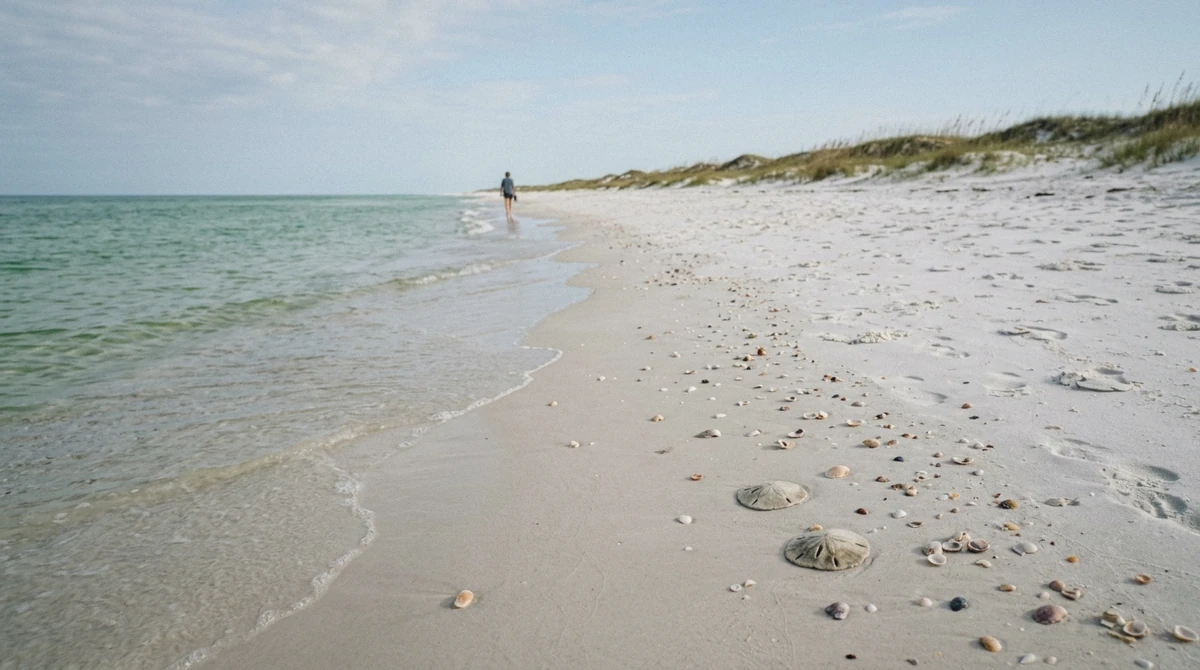
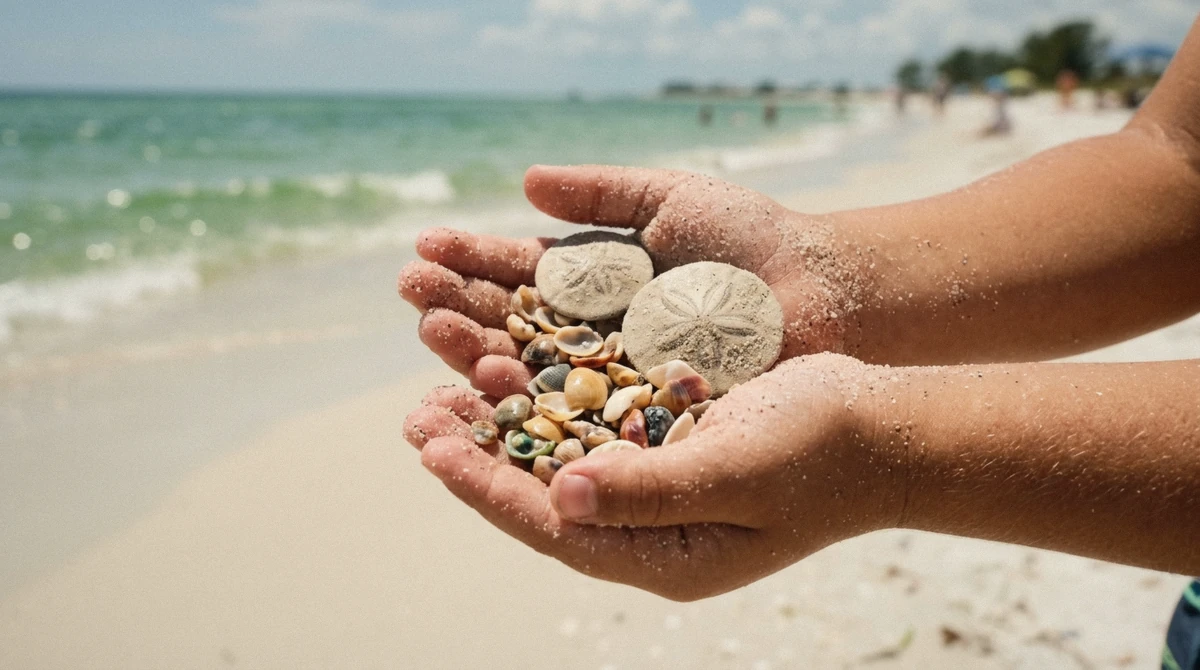
Cross the island's low dunes and you reach the Gulf side, a wide white-sand beach that gives the island its name. The shallows here are clearer than the bay and full of sand dollars, and the tide line is one of the best shelling stretches on the Florida panhandle — whelks, augers, cockles and the occasional sea urchin test. Most tours give you time ashore to walk the beach and collect empty shells (leave any that are still occupied).
It is also where you are most likely to see loggerhead turtle nests roped off in summer.
Operators supply mask, snorkel, fins and a life vest, and the water is warm enough in season that you won't need a wetsuit — a rash guard is plenty. There is no shade, no store and no fresh water on the island, so come prepared.
Yes. The bay-side lagoons are shallow and calm enough to stand in, crews give a briefing and hand out life vests, and the catamarans stay anchored beside you the whole time. First-timers and children do best on the sheltered flats; the jetties suit stronger swimmers because of the tidal current through the pass.
If anyone in your group would rather stay dry, the dolphin cruise and beach time make the trip worthwhile on their own.
The Gulf and bay are warm and clear from late spring through early fall, which is the best window for snorkeling and dolphins. Winter water is too cool for most snorkel trips, though dolphin and shelling cruises run year-round.
Water temperatures are approximate monthly averages (°F). Sea nettles (jellyfish) can drift in during late summer, so ask the crew before you get in; mornings are calmest and clearest year-round.
The main spots our tours reach, spread along an undeveloped barrier island between St. Andrew Bay and the Gulf. See the live map above for exactly where each one sits.
The bay side stays calm even when the Gulf is choppy, so trips can almost always find sheltered water.
The catamaran ride out was gorgeous and we had dolphins riding the bow both ways. The snorkel spot was shallow and calm enough for our two kids, and they found sand dollars on the Gulf side. Perfect half-day.
We snorkeled the jetties and the water was so clear — sheepshead everywhere and a big flounder in the rocks. The crew knew exactly where to anchor and when to go. Way better than the crowded beach.
Booked the Footloose and it was the highlight of our Panama City Beach trip. Relaxed sail, good briefing, plenty of time to swim and walk the beach for shells. Great value and a lovely crew.
The Footloose, the small-group dolphin cruise and the two-stop snorkel compared side by side, so you can match a trip to your group and budget instead of guessing.
St. Andrew Bay has a resident bottlenose population, and our tours cruise straight through their water — most trips see dolphins on the way out or back.
The bay-side flats are sheltered and waist-deep, so kids and first-timers can stand on the sand while stronger swimmers explore the jetties.
Shell Island is undeveloped and boat-access only — a guided catamaran is the simplest way to snorkel, spot dolphins and walk the shells in one trip.
Real prices, real ratings and review counts pulled straight from the operators — no inflated numbers and no fake urgency.
Gulf weather and tides shift fast — every tour we list lets you cancel free up to 24 hours before and pay later.
Yes — Shell Island offers some of the calmest, clearest water on the Florida panhandle. The rock jetties at St. Andrews Pass hold the most fish, while the sheltered bay-side lagoons are shallow and easy for beginners. The most-booked introduction is the Footloose catamaran snorkeling tour, or compare every Shell Island snorkeling tour to fit your swimming level.
The jetties at St. Andrews Pass are the clearest water and hold the most fish — sheepshead, snapper and flounder in the rocks. The bay-side lagoons are the calmest and best for families, and the Gulf shore is best for sand dollars and shelling. To cover more spots in one trip, the two-stop snorkeling and dolphin tour anchors at two sites, or see all the tours and where they stop.
May through September has the warmest, clearest water (mid-80s°F) and the most dolphin activity. April and October are pleasant shoulder months; winter water is too cool for most snorkel trips, though dolphin and shelling cruises run year-round. Book a morning departure for the calmest, clearest water. Browse tours and pick your date.
Very often. St. Andrew Bay has a resident bottlenose dolphin population, and every tour crosses their water on the way to the island, so most trips spot dolphins on the way out or back. The snorkel and dolphin catamaran cruise is built around it, or compare all the catamaran dolphin cruises.
Shell Island is an undeveloped, boat-access-only barrier island, so you reach it by boat from the Panama City Beach marinas. A guided catamaran tour is the easiest option — you snorkel, watch dolphins and walk the shells in one trip, with gear included. The Footloose catamaran tour is the most-booked way across, or see all the boat tours.
Absolutely. Most tours anchor at the shallow, calm bay-side flats where you can stand on the sand, crews give a briefing and hand out life vests, and the boat stays beside you. The jetties suit stronger swimmers because of the tidal current. Pick a beginner-friendly trip.
Not in season — the water sits in the high 70s to mid-80s°F from May through September, so a rash guard is plenty. Mask, snorkel, fins and a life vest are included on the tours. Winter water is much cooler, which is why snorkel trips pause in the coldest months. Check what each tour includes.
Shell Island catamaran snorkeling and dolphin cruises run from about $49 to $57 per person for a 3-hour trip with gear included. Compare prices and inclusions and book with free cancellation.